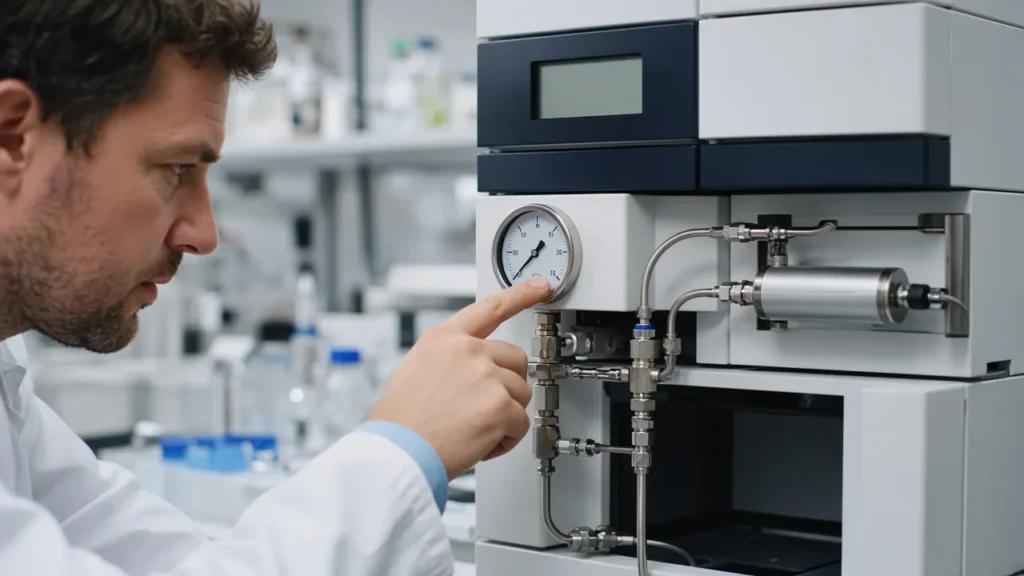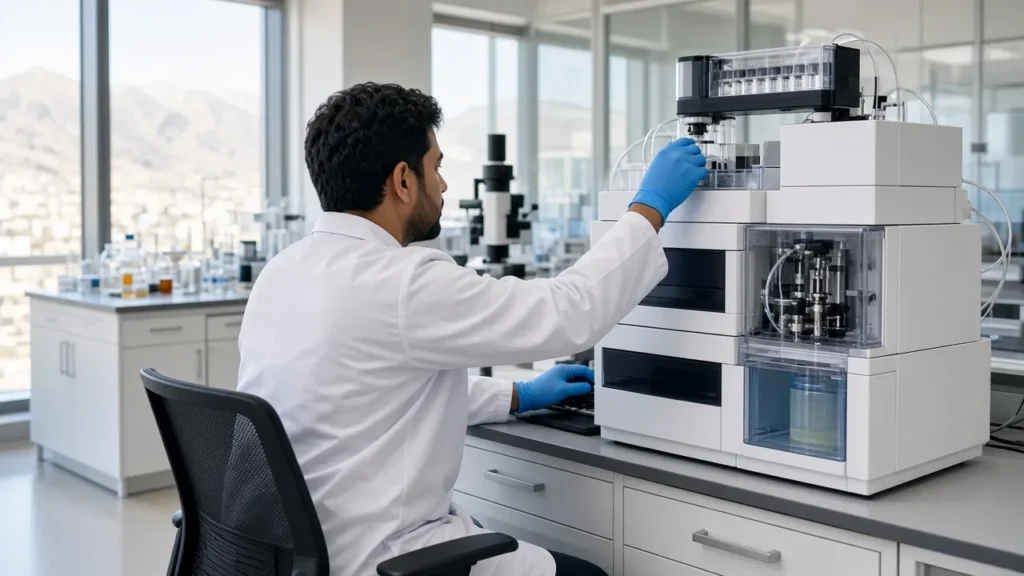
Preventive maintenance is work done while the chromatograph still runs. The point is to replace what is worn and to find a leak or a restriction before it ruins a sequence. It is not a full method validation, and it is not automatically a calibration certificate.
This is what a useful visit looks like on an HPLC or a GC. The exact list depends on the model and on how hard the instrument is used.
Before the visit
Agree a window when the system can be stopped. Tell the technician which method must run again before they leave, and which column and mobile phase or gases that method uses. A column left drying out, or a buffer left in a pump over a long shutdown, creates the next fault.
Have the last good chromatogram available. “It used to look like this” is more useful than a vague note that sensitivity is down.
HPLC
The technician records the usual pressure at the method flow before changing anything. That number is the reference.
Typical checks:
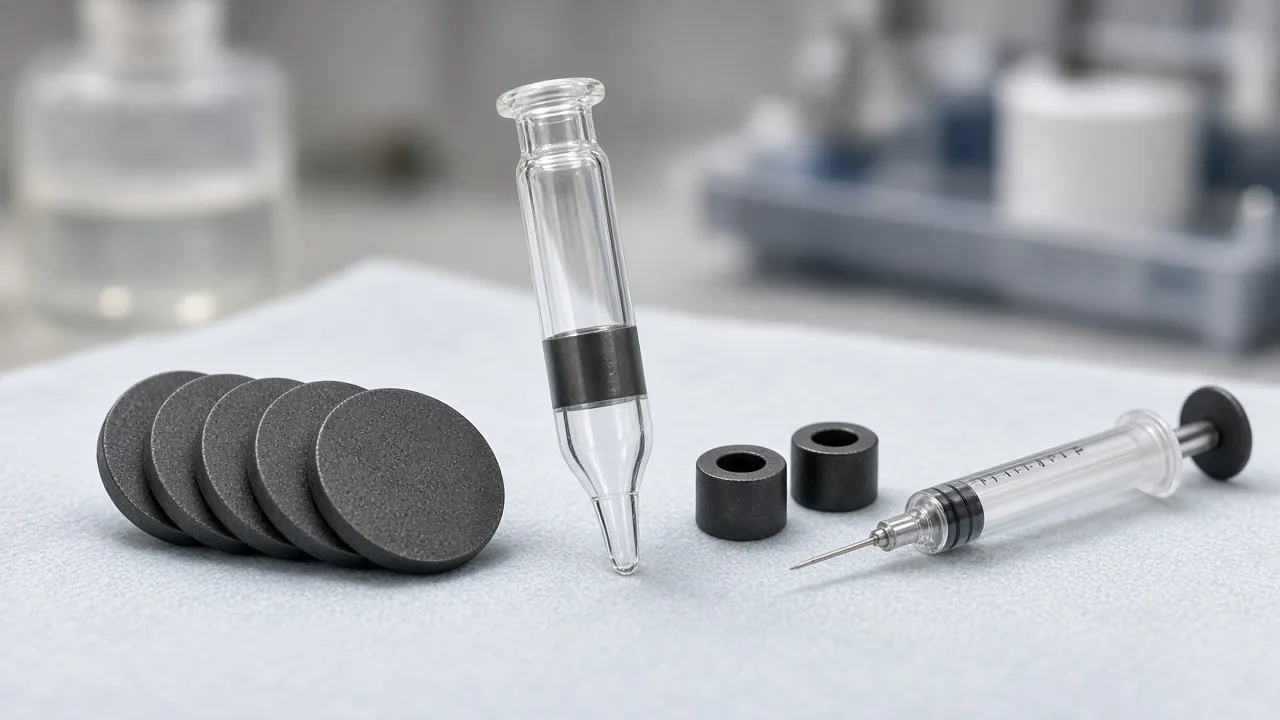
- Solvent level, inlet frits, and visible leaks at the pump and column fittings
- Prime and degas path, if pressure has been unstable
- Pump seals and check valves if the ripple or a leak says they are due, not on a fixed guess
- Guard column and inline filters if pressure has crept up
- Autosampler syringe or needle seat if injections have become short
- Detector lamp energy or the detector’s own readiness, without opening a flow cell that is not user-serviceable
- Waste lines, so a quiet leak is not filling a container out of sight
Consumables are replaced when the check or the service interval says they are worn. A new column is not fitted just because the visit happened. Column changes affect retention and selectivity and belong to the method owner unless the column is damaged.
GC
Typical checks:
- Cylinder or generator pressure, and the correct gas on each line
- Moisture and hydrocarbon traps that are in the service plan
- Septum and inlet liner, especially after dirty samples
- Column nuts and ferrules for leaks, without overtightening
- Syringe condition
- Detector gases and, on an FID, a stable flame and a plausible baseline at the normal start temperature
- Split vent and septum purge paths if pressure or sensitivity has been wrong
The technician does not hunt for a gas leak with a flame. A leak shutdown or the smell of gas ends the user-level work.
What you should receive
A short record: instruments covered, what was inspected, what was replaced, pressures or detector state after the work, and anything that should be planned before the next visit. If a check standard was run, the conditions of that run should be written down. A pass on a different method is not evidence about yours.
If the same part is replaced on every visit, put it on the spare-parts plan. If the instrument fails between visits for a new reason, that is a corrective call, and the preventive interval may need to change.
Mahut builds these programs in Oman around the instruments you actually run. To set one up, book a consultation or email info@mahutqc.com with the model list and how many days a week each system runs.